
Do It Differently
Reliable flood protection and clean water are themselves equity issues. The communities most harmed by basement flooding and combined sewer overflows are lower-income. MRWD mission spending is equity spending.

Where your property taxes go
The Metropolitan Water Reclamation District exists to do two things: clean wastewater and prevent flooding. Every dollar it spends should trace directly to one of those two jobs.
The 2026 budget — $1.8 billion, a 6.4% increase from last year — contains millions in spending that traces to neither.
This isn't waste hidden in a 560-page budget document by accident. It is the result of deliberate board decisions, made year after year, with no serious opposition and almost no public attention.
That changes when voters know what's in it.
Michelle and Larry Elder, a political commentator and a previous CA governor candidate
Harvey: Displaced, Delayed and Dangerous
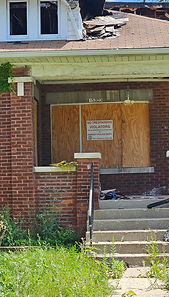
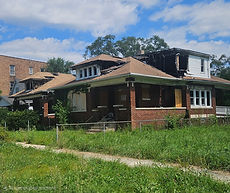
The Harvey project raises continuing questions about public safety, displacement and delay. MWRD acquired 31 parcels for the proposed Central Park Stormwater Detention Basin, requiring seniors and families with generations of ties to the neighborhood to leave their homes. Residents have questioned when they were notified, whether relocation and condemnation procedures were handled properly, and why the affected buildings were left unsecured. MWRD acknowledged in April that demolition of 16 acquired residences was necessary “to eliminate safety concerns,” yet the buildings remained standing when a house on Myrtle Avenue near 153rd Street caught fire on September 1. Two days before, the demolition contract was scheduled to come before the MWRD Board. Meanwhile, construction of the detention basin—once expected to begin in summer 2025,is now anticipated in 2027, pending unresolved coordination with IDOT.
Taxpayers and Harvey residents deserve a complete public accounting before this project advances further. MWRD’s estimated construction cost increased from $9,848,774 to approximately $13 million, an increase of more than $3.15 million, or roughly 32 percent. Published benefit figures also require explanation: a FEMA environmental document states that the project would reduce flood-related damage for approximately 690 structures, while MWRD materials say 209 structures would benefit during a 100-year storm.
MWRD should explain:
Whether these figures measure different benefits?
The status of FEMA funding
The environmental review and public comments
What remains unresolved with IDOT and the Wood Street sewer connection
MWRD should release a clear record of when Harvey officials and MWRD commissioners approved the site, property acquisitions and project design. Residents who sacrificed their homes—and every taxpayer funding this project—are entitled to transparent answers.
CLICK HERE to read full press release.
$3.96M - LEGISLATIVE AFFAIRS & STAFFING
The MWRD employs 29 full-time staff in its legislative and intergovernmental affairs office — supporting nine part-time elected commissioners at a cost of nearly $4 million a year. I propose a lean team of 12 to 15 focused solely on regulatory compliance and federal grant work could handle every legal obligation. The savings would go back to flood infrastructure.
$563,000 - COMMUNITY EVENTS & OUTREACH
These events include Pride celebrations, Juneteenth ceremonies, and consumer expos, which are legitimate community events. However they do not relate to water infrastructure. Plant open houses, watershed workshops, and sustainability summits that educate about water management belong in the MWRD's budget.
$468,000 INTERNSHIP PROGRAM
The MWRD funds an $800,000 apprenticeship program that trains tradespeople for water treatment jobs. And every dollar of that is justified. On top of that, the board approved a separate $468,000 internship program explicitly designed as a diversity recruitment pipeline, placing interns in DEI administration and social media roles. These are not water treatment jobs. The fix is straightforward: consolidate legitimate technical internships into the existing apprenticeship program and eliminate the rest.
$2.1M - CONTRACT DIVERSITY PROGRAMS
The MWRD spends $2.1 million on contract diversity programs and employs 15 full-time staff to manage them. Federal law requires basic contract compliance, which a lean team of 5 to 8 people can handle. The remaining headcount, the $875,000 in diversity events and outreach summits. Those are board choices made with your property tax dollars that I oppose.
$550,800 - DEI Activities
The Diversity Equity and Inclusion budget doubled in one year. Federal law requires basic non-discrimination compliance as it should. It does not require diversity summits, Employee Resource Groups, cultural events, or a $250,000 DEI software system. The board chose to fund all of it. I would not.
$245,300 TUITION REIMBURSEMENT
The MWRD reimburses up to $10,000 per year in college tuition for any employee, for any degree, in any field. No requirement that the coursework relate to water treatment. 45 employees used it last year. A wastewater engineer reimbursed for an environmental science degree makes sense. A board with no restrictions on what qualifies does not. Limiting reimbursement to relevant degrees saves $100,000 to $150,000 a year and still supports every employee whose education actually makes the water cleaner.
ESTIMATED ACHIEVABLE SAVINGS: $3.2M to $5.8M PER YEAR
That is what returns to Cook County taxpayers when the MWRD stops funding programs its mission doesn't require.
Equity and community investment matter — but they deserve funding from agencies whose mission is to advance them, not from a wastewater utility whose job is to keep your basement dry.